Search This Blog

Showing posts with label Land. Show all posts

Thursday, 4 July 2019

Construction of a walkway using plastic bottles

July 04, 2019 0 Comments
Students from the department of Animal and Environmental Biology, University of Port Harcourt, Rivers State, Nigeria constructed a walkway using plastic bottles, their caps and wraps. Read this article to know why and how they constructed the walkway.

Why construct a walkway made of plastics?

Bad road

The road leading the building of the department is not very accessible especially in the rainy season. Students and staff passing through that road must walk on water or through grass. Something must be done, a road must be made.
Flooded road in the University of Port Harcourt


Plastic pollution 

Plastics are bad for our environment. They cause flooding by blocking our drainage systems, trap and kill aquatic animals, reduce the beauty of our society and they increase in number every second. We need to come up with ways to reuse plastics. AEB students (U2016 set) came up with a way to reuse the bottles. In this case, they decided to build a walkway as a form of community service to the department. Seeing the plastic bottles, caps and wraps on the walkway will teach and motivate others that wastes can be reused, we should dispose our wastes correctly and not everything we term "waste" is useless.
Plastics litter our environment
Pile of plastic bottles collected by U2016 AEB students

What were the uses of each part of the plastic bottles?

The main bottle

Most of the plastic bottles were used as kerbs (both edges of the walkway), some were used as expansion joints while others were used on a step at the entrance of the walkway.
Plastic bottles placed as kerbs

The bottle caps

The bottle caps were used to decorate the surface of the walkway. They were used to write "U2016 SET & AEB STAFF" and make several patterns and drawings.
Pretty butterfly made by plastic bottle caps
Entrance of the walkway

The wraps

The wraps of all bottles used for the construction were stripped off before the bottles were placed. While some wraps were properly disposed, we used most for decoration of some bottles. They were placed inside the bottles so that they will be visible.
Wraps placed inside the plastic bottles


How was the walkway constructed?

The bottles were filled with sharp sand, the ground was leveled with sharp sand and mortar made of cement and coarse sand was poured on the leveled ground to make the walkway surface. On the edges of the walkway, holes were dug and the bottles were placed in the holes (filled with mortar and sand). While some parts of the walkway were decorated with the cap of plastic bottles, other parts were decorated with interlocking tiles-maker.
Leveling the ground and placing the plastic bottles
Filling more plastic bottles with sand
Finished work

Other details

  • 2077 plastic bottles were used
  • 102 students participated on the construction
  • The walkway was constructed in 5 days
  • 34 hours were actively spent on the walkway construction.


What can we learn?

  • Problems can be solved, only when we are not silent about them.
  • Wastes are wastes because we are not innovative enough to have use(s) for them.
  • The youths of this generation are not all lazy, they just need to find what they can do and a
  • source of motivation.
  • Plastic bottles are the next big thing. They can be used for minor constructions, agricultural purposes, innovations and other forms of pet projects.

Monday, 4 February 2019

5 wrong animal stereotypes that will make you rethink nature

February 04, 2019 2 Comments
No one knows it all. What you thought was true today may just become false tomorrow. There are a few things we know about a few animals but we don't really know if they're true or not. Read this article to learn 5 wrong animal stereotypes we've been using to judge animals

5 wrong animal stereotypes

Lions are the king of the jungle

Lions to many people, represent pride. Pride literally a group of lions. Here are some facts about lions:
  • Male lions, when in a pride, mostly relies on the females for food. The females mostly do the hunting
  • When male lions become the alpha male of a pride, they kill and (sometimes) eat the cubs of the females impregnated by other males
  • Lions don't come first in anything; not in size, strength, speed, niche, etc.
  • Most lions aren't found in the jungle or forest. They can be found in grasslands, wildernesses, savannas, etc.
  • Other animals fear lions because lions are social animals (strength in numbers), predators and scary
How can lions be the kings of the king of the jungle if they mostly aren't found in the jungle? How can lions represent pride when all they do is sleep, hunt for food and eat? Why don't lions come first in anything? Such kings they are. 


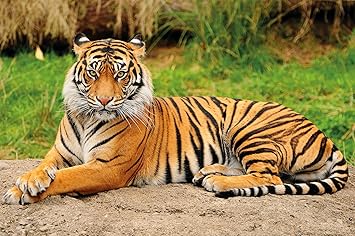
Let's talk a little about tigers:

  • Tigers are mostly solitary. They only meet each other accidentally or when it's mating time. Although they're solitary, they still hunt successfully and dominate
  • They're mostly found in the jungle/forest. In other words, they dominate the forest
  • Tigers are the biggest cats
  • Their limbs are so strong that if they die standing, they still won't fall
Now, who should be the king of the jungle?
Image result for majestic tiger
The majestic Tiger

Owls represent wisdom

This has been known for ages. Even since the time of the Greeks, Athena the goddess of wisdom was commonly associated with Owls. Well, owls are nice birds and have cool features like their neck's ability to rotate up to 270°. Owls have large eyes which make them look as if they're very cautious. Well, i can't argue that Owls can represent wisdom but i can argue that they are not the best animal to represent wisdom. For instance, can an owl match the Octopus?


Here are a few octopus' facts:

  • They're invertebrates, in the same phylum with snails, slugs, clams, etc.
  • Octopuses have neurons in all their eight arms. This makes them great at multitasking because all eight arms can function differently at the same time. More like a creature with nine brains (one central).
  • Although related to slow and immobile organisms, octopuses (as well as squids) can be very fast in water.
  • Octopus; Octo -eight, pus/podus -foot literally means eight foot while its class Cephalopods literally means head foot.
  • Looking at the octopus its head is just that small part where the eyes can be found just above the arms. The mantle cavity (which houses its stomach, anus and other vital organs) makes a cephalopod look like an organism with a very large brain.  
Well, I think the Octopus should be the real representative of wisdom


Pigs are very dirty

You'd definitely feel insulted if someone calls you a pig. We all know pigs to be very dirty. Let's study the pigs:
  • If given the chance, pigs don't poop close to where they sleep or eat.
  • Pigs don't have sweat pores so they rely on the coolness of the ground to keep their body from over heating. This means that they love the mud, not because they just want to play or become dirty but because it's their natural instinct of survival.
  • Pigs are smarter than our household pets so they're more easily trained than cats and dogs
Well, pigs need the dirt to survive. Why does your dog like to roll in the dirt?


Vultures are evil

Yes they eat the flesh of dead animals but does that mean they're evil? Let's exam the vultures:
  • They're detrivores. This means that they eat decomposing animals. Is that really bad? With this niche of vultures, they're able to speed up the time nutrients would be taken back to the ground. For instance, it may take more than 3 months for the soft parts (flesh) of a carcass to decompose and even longer for its bones. When vultures eat the carcass, it would digest and excrete it in not more than 2 days.
  • Vultures are social. Meaning they're mostly around each other. Talking of co-operation
Don't call vultures evil. They're only acting their role in nature.

Read Microorganisms; the good, the bad and the ugly

Owls and Cats are evil

This stereotype is popular in Nigeria. It is widely accepted and more Nigerians would kill any Owl or unknown Cat they find wandering in the street early in the morning. Just like Nigerians many people believe that Cats and Owls are used by or transformed into by witches and wizards.

Owls and Cats (especially owls) are nocturnal meaning they're mostly active at night. They move at night, hunt/search for food at night, poop at night and return back to their hiding place early in the morning. There's nothing witchy about them. This is among the 5 wrong animal stereotypes we should put to rest.
What the average Nigerian thinks about witches
Read Cool nature facts you may not have known


References:

Wednesday, 16 May 2018

Flooding across the world today; ways to prevent flooding and case study

May 16, 2018 0 Comments
Flooding could be defined as the covering or submerging of land by water. Urban flooding is any flood in urban areas. Are there examples of flooding? What are the causes of urban flooding? How can we control Flooding? Read this article

Flooding; Definition, Causes and Examples

Definition of flooding

Flooding could simply be define as a body of water covering a mass of land where it initially wasn't present. From this definition, we could say that a flood is mostly unwanted. These floods (Especially urban floods) cause displacement of many and sometimes take lives.
Sango-otta Ogun state, Nigeria
As you can see in the above photo, a street in Ogun state Nigeria is covered by water. The water level is so high that it almost covered a car. Floods like these can easily be avoided yet there still occur.

Causes of flooding

Rain

Rain causes flooding by increasing the water size and exceeding the capacity of the drainage system. When water becomes too much for the drainage system to carry at a time, flood occurs. Rain water can exceed drainage capacity either by being too heavy at a time or falling non-stop for days.

Wind

Strong winds and hurricanes carry sea water into land causing flooding. Wind just like earthquakes and other disasters, can displace objects and properties into blocking the drainage systems or other waterways.

Land Pollution

If the movement of water is stopped because of dirt disposed the wrong way, flood would occur
Flood in Lagos, though caused by high tide, stayed for a long time because of blocked drainage

Dam breakage

Dams are man-made structures which hold flowing water and allow the water to flow through propellers to generate electricity. Sometimes, dams break due to age, cracks unattended to and pressure from the water. If a dam should break, all the waters it had being holding would flow at once, destroying properties, taking lives and causing floods.


Examples of Floods

View some pictorial evidences that floods occur everywhere in the world and we should do whatever it takes to prevent floods

Image result for floods
Houston, Texas
Image result for floods
Northern New South Wales
Image result for floods
Rare wildlife killed as floods devastate India reserve


Ways to Prevent flooding

Clear drainage systems

Drainage system filled with dirt
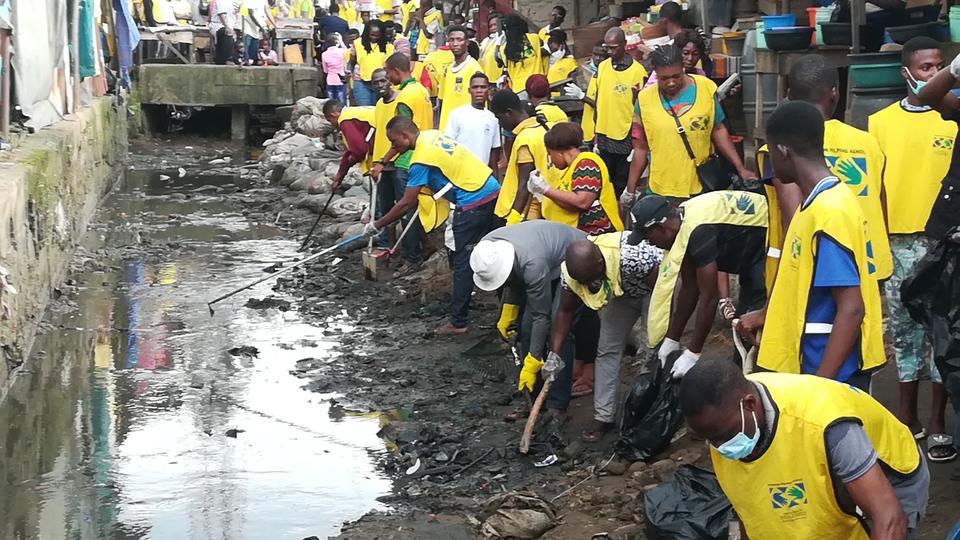
In order to prevent flooding caused by land pollution, we need to clear these drainage systems so they'd be free from dirt.
Image result for removing dirt from drainage in lagos
Volunteers at the Ikotun Market, Lagos clearing the drainage system

Build more drainage systems

There are some streets with no drainage system at all. Even the smallest rain fall would cause water to accumulate. To solve this problem, drainage systems should be built

Channel water to another location

You could build more drainage systems to drive the water into rivers or the sea. If there isn't any around, you could drive the water into burrow pits

Don't block water ways with irrelevant structures

Rain water flow to lower plains. If the means to reach the lower plane has being blocked by buildings, the water would no longer flow and cause flooding. Not building on water ways is among the ways to prevent flooding on urban areas.

Make good use of Burrow pits

This is a cheap and reliable way to prevent flooding especially in developing countries. A burrow pit is an engineering term used to describe a place where materials (like sand) have being dug from to complete a construction. Burrow pits are usually deep. Burrow pits can be useful to prevent flooding because water can easily flow on them and hardly flow out since they're deep. Sign posts to alert people of a very deep body of water should be put in place though
Burrow pit in Port Harcourt, Nigeria
The burrow pit in the photo above is large and is used to keep rain water to prevent flooding. Without this burrow pit and others around, the city of Port Harcourt Nigeria would've been covered in water.
One of the entrances to the burrow pit
The entrance in the photo, as you can see, will soon be blocked because of dirt disposed the wrong way. When it eventually becomes blocked, the streets around would be flooded.
Garbage found above the burrow pit 


The street is becoming covered with the dirt
The two photos above are the same dirt between a street and a burrow pit. The people of this street Igbogo in Port Harcourt Nigeria are faced with the dilemma of either leaving the dirt on the road (so that the burrow pit can still help prevent flood) or pushing the dirt in to the burrow pit (so that the road will be clean once again).
Since this place have being left as a garbage site, it is becoming an eyesore to people and a threat to the environment


 Case study: 2012 flood in Nigeria

Cause: Rain and Reservoir
Location: 33 out of 36 states in Nigeria
Duration: July to October 2012
Death toll: 363
People displaced: 2,100,000
Lokoja, Kogi state

Image result for 2012 flood in nigeria
Abuja
This article was created to share awareness to everyone about the causes and control of flooding. Please read

References:

Saturday, 12 May 2018

Everything to know about plastics (Facts, Reusing, Recycling, etc)

May 12, 2018 1 Comments
Plastics are found wherever humans are found. They're everywhere and they're the most common form of pollutants in land and water pollution. Plastic wastes affects both man and animals through various ways. Read this article to learn how theses wastes affects us, why and how to recycle plastics.

What are plastics

Plastics are both simple and complex. From house hold items like water bottles, plates, toys, chairs and so on to more complex items like bullet proof glass, DVDs and so on. Plastics can defined as solids which can be moulded and are flexible by heat depending on the thickness and type. Plastics are non-biodegradable so they can be found so many years later in same shape unless they're removed. This means that plastics must be recycled or reused else they stay as pollutants and are going no where.

A few facts about plastics

  1. The word ‘plastic’ comes from 'plastikos', a Greek word meaning ‘capable of being shaped and moulded
  2. Credit and Debit cards were first called plastic money in 1969
  3. Plastics make up a large percent of the Great Pacific Garbage Patch which is a very large floating landfill of garbage in the Pacific
  4. Around 5 trillion plastic bags are produced yearly. That's about 160,000 plastic bags made every second
  5. Plastics aren't biodegradable instead they're photo-degradable (meaning they're degraded by light) which is why we see some plastics changing their colour after a long time
  6. It'll take around 700 years for plastics to start degrading and around 1000 years to be fully degraded
  7. After breaking down, plastics remain toxic. They break down into smaller toxic bits which are harmful to the environment 
  8. Plastic bags are produced using petroleum, natural gas and other chemicals meaning that they're toxic from production
  9. Most marine animal mistake plastics for food. This causes their death
  10. A sperm whale was found beached in California in 2008. It died due to more than 22 kilos of plastic in its stomach


The facts above makes you sad. Right? Does this mean that all hopes are lost and there may not be any solution to our plastic problems? Well, there are solutions for us but we all have to work together as one to solve this problem. The solutions are Reducing, Reusing and Recycling. 

Reusing

 Plastic bags can be used as drop cloths

When painters are working, you'll notice that some of the paints drop on the floor. Spreading plastic bags across the work area can save the painters the stress of washing the ground after work

Lids and covers of plastic bottles have lots of uses

  • Counters so children can learn quick maths
  • Building blocks for children
  • Decorations. You could paint the top with your desired colour or artwork and use the lids as decorations to your walls or wherever applicable

Funnels

Use old plastic bottles as funnels. Most Nigerians use plastic bottles when they put petrol into their generators

Poop scoop

Plastic bags can be used to scoop pet poops instead of rolls.


Toys

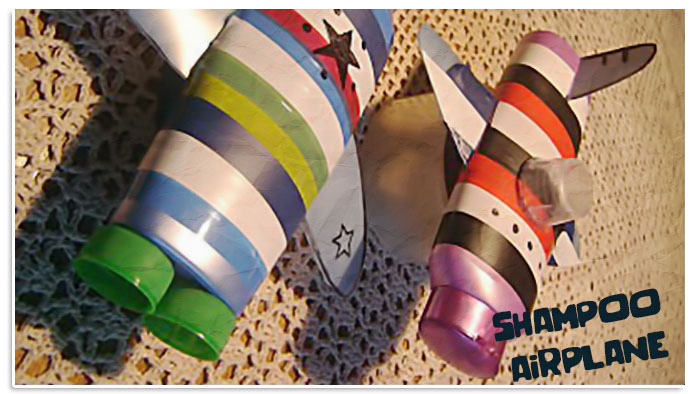
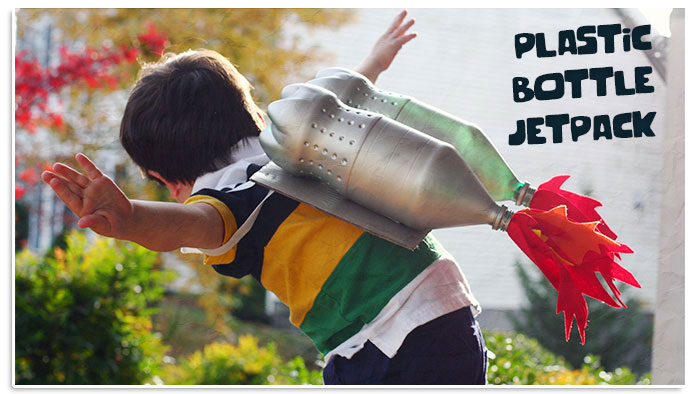
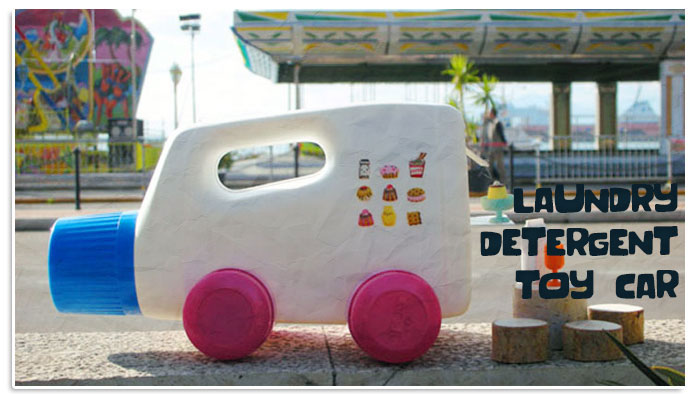
Plastics have different ways they can used as toys. Here are a few photos
Recycled Shampoo Bottle Airplane
Aeroplanes
Plastic Bottle Jetpack for Kids
Jet packs
Laundry Detergent Bottle Toy Car
Toy car

Sprinklers

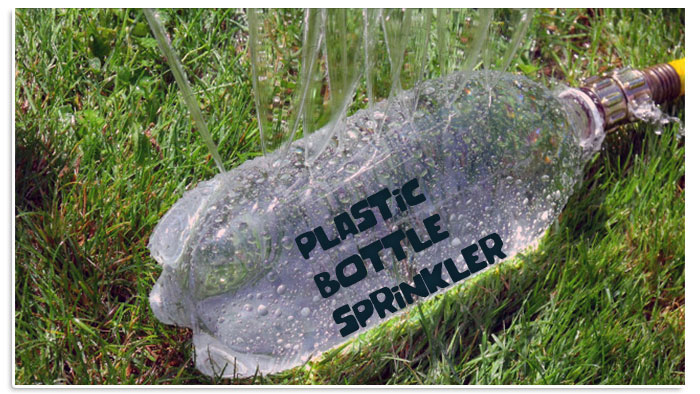
Plastic bottles can be used as sprinklers by poking holes into them and fixing them at the end of water hoses.
DIY Plastic Bottle Sprinkler
Sprinkler

Plant Nursery 

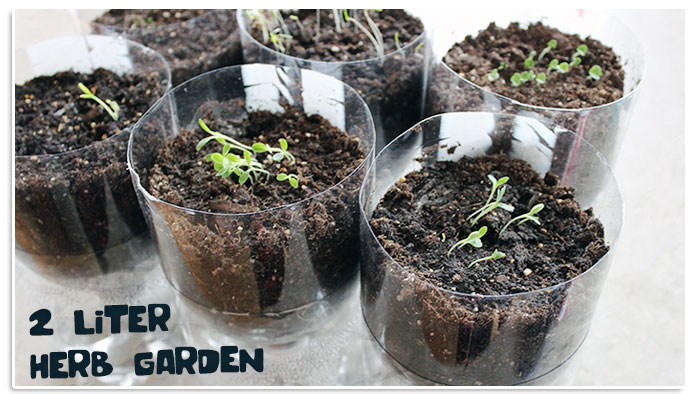
Plant Nursery is a place where seeds are germinated and grown into appropriate sizes before transported and planted in a more preferred location. You can use plastic bottles as grow cubes.
2 Liter Bottle Herb Garden
Grow cubes

Fuel containers

Instead of going to the market to buy containers to store fuel, use those containers from Oils (red, vegetable) you bought earlier.

Recycling and Down-cycling

Some countries are building recycling industries. Both governmental and private firms take recycling seriously. Plastic recycling means producing materials from old plastics (e.g a plastic chair can be recycled into other chairs, tables, etc) while down-cycling means producing materials of less quality from old plastic materials with greater qualities (e.g a plastic chair can be down-cycled into plastic bags or bottles). There are different processes of recycling. They include

Thermal depolymerization

Since plastics are produced from petroleum, the 'de' in depolymerization implies that petroleum can be manufactured from plastics

Heat compression

This implies gathering plastics of different types, heating and stirring them inside large rotating drums known as tumblers.

Other processes

There are other processes to recycle plastics like compatibilization which requires use of special chemical bridging agents compatibilizers to use plastics as carbon source to recycle scrap steels.


Reduce

The best solution to the plastic problem facing the world today is reducing. Plastic reducing can be defined as the actions we take to reduce the use (demand) of plastics therefore reducing the production (supply). Here are a few ways we can reduce

Reusing

Reusing plastics around us can reduce our demands for them. We could take our own bags to the market instead of requesting for new bags

Co-operation with shops that are going Eco friendly

Some shops may not give you plastic bags or may give you substitutes. Instead of complaining, let's know their reason and support it

Other ways 

Instead of just throwing that plastic bag away, we could use it to carry other wastes. This will even reduce the amount of money we spend in buying waste bags

Conclusion

Plastic problem is worldwide issue we all need to solve. Applying the three Rs which are Reuse, Reduce and Recycle can help solve the plastic problem. Saving the world, apart from being a general issue, should also be a personal issue. Read What about the Earth? Why save it? What can we do? for the general Earth problem.

References:
  • https://www.express.co.uk/life-style/top10facts/556136/Top-10-facts-about-plastic
  • http://www.theworldcounts.com/stories/interesting-facts-about-plastic-bags
  • http://www.scjohnson.com/en/green-choices/Reduce-and-Recycle/Articles/Article-Details.aspx?date=12-08-15&title=Ten-Uses-for-Plastic-Lids
  • http://www.scjohnson.com/en/blog/blog/post.aspx?date=16-01-04&title=10-Creative-Ways-to-Reuse-Plastics
  • https://www.budgetdumpster.com/blog/diy-plastic-bottles-recycling/
  • https://en.wikipedia.org/wiki/Plastic_recycling

Thursday, 3 May 2018

What about the Earth? Why save it? What can we do?

May 03, 2018 0 Comments
We hear a few people everyday talk about the harms our actions cause on the Earth. Sometimes, we may be unconcerned and might even think we're doing nothing wrong to the Earth. Are are really spoiling the Earth? What part(s) of the Earth is/are affected by our actions? Why should we reduce the causes of harm we do and try to save the Earth? Read this article

What is happening in the Earth today

To help us understand the various ways our actions are ruining the Earth, let us split the Earth into various parts.
  • Lithosphere (Land)
  • Hydrosphere (water)
  • Atmosphere (Air) and
  • Biosphere (Life supporting)
  • How can we save the Earth?


What's happening in the lithosphere?

  • Dirt littered around in different places
  • These dirt block gutters and other water passages which in turn, results to floods here and there
  • The dirt are filled with germs which means they're unhygienic and cause different diseases. 
  • This makes the Earth (where the dirt is) become unfit for us to live in

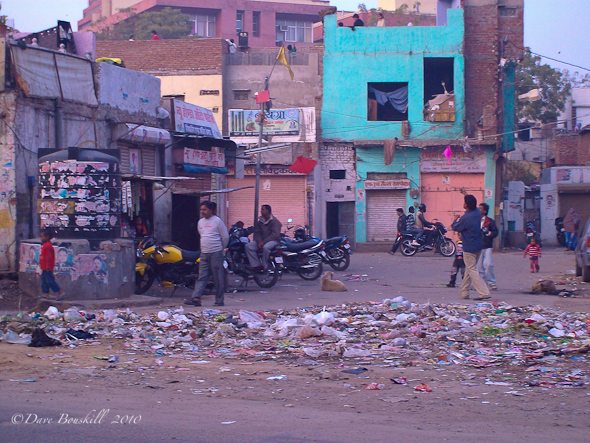
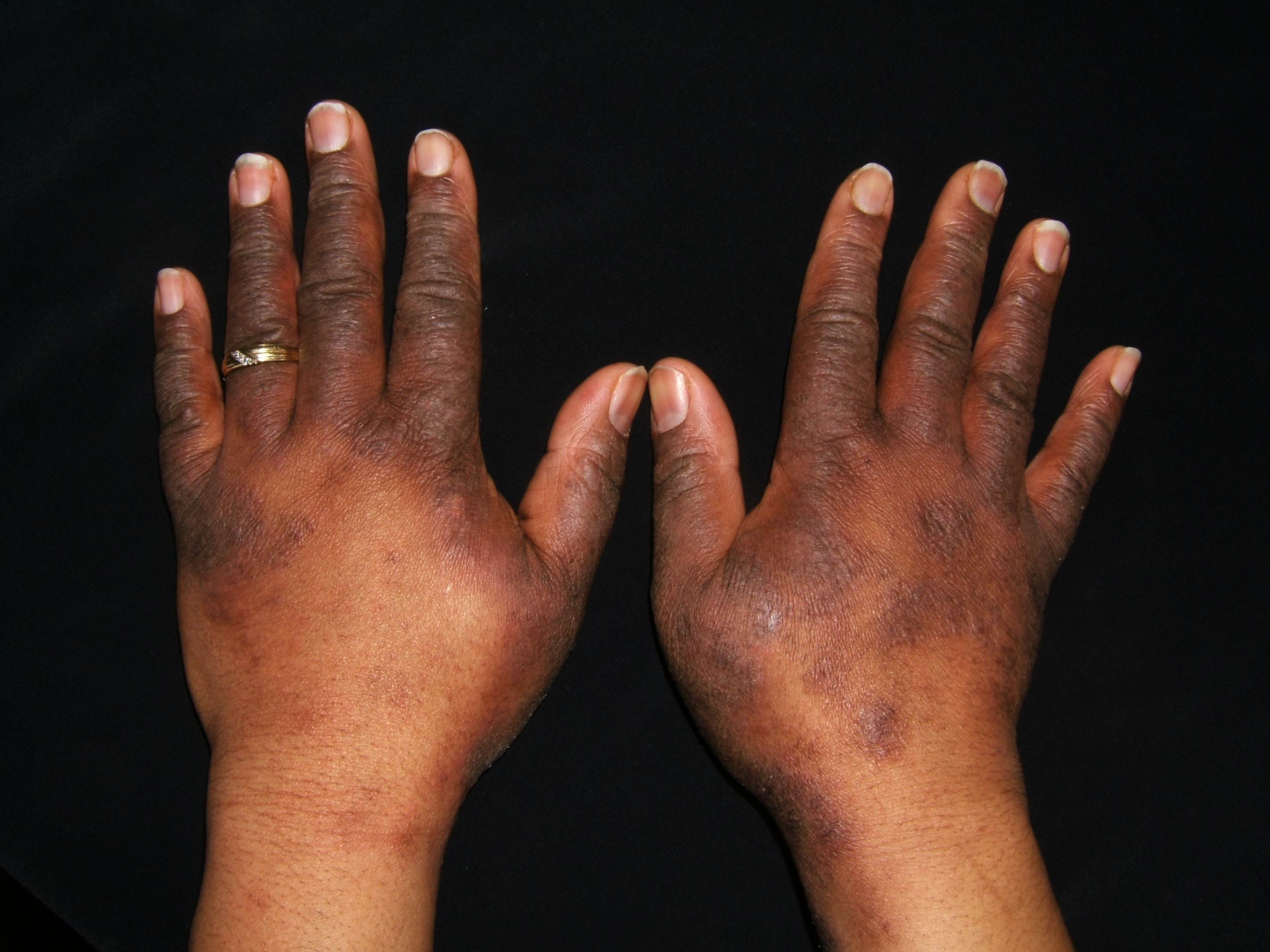
Would we like our lands to continue this way? Should our Children be welcomed with a germ-filled environment? Please view a few pictures from around the world to see the various harms done on the lithosphere and the side effects

Image result for dirts on the streets
A street in India 
Image result for lagos flood
Flooded street in Lagos caused by blockage of water passage
Image result for skin disease caused by dirty environment
Skin infection (Eczema) caused by dirty environment

What's happening in the Hydrosphere?

About 70% of the whole Earth today is covered in water. Water isn't just part of the Earth, it's part of our lives. Most organisms need water to survive. To bath, drink, wash our clothes and do others things, we need water. Do you know that we are making water to become unfit for our needs by some actions we take everyday? Here are a few ways we spoil the water in the Earth:

  • Industries pour their wastes into the sea
  • We throw dirt into various water bodies
  • Most of the wastes which industries pour into the sea are toxic
  • When we burn our wastes, the smoke enters into the atmosphere then later comes down as rain into various water bodies and even into the lithosphere


Water is precious to us. Let's start having greater value for water. View some pictures of water pollution
Pollution in the Lachine Canal, Canada
Raw sewage and industrial waste in the New River as it passes from Mexicali to Calexico, California

What's happening in the Atmosphere

I don't need to give the importance of the air to us. Even a little child would quickly know how valuable air is to him/her. Here are a few ways we damage our air
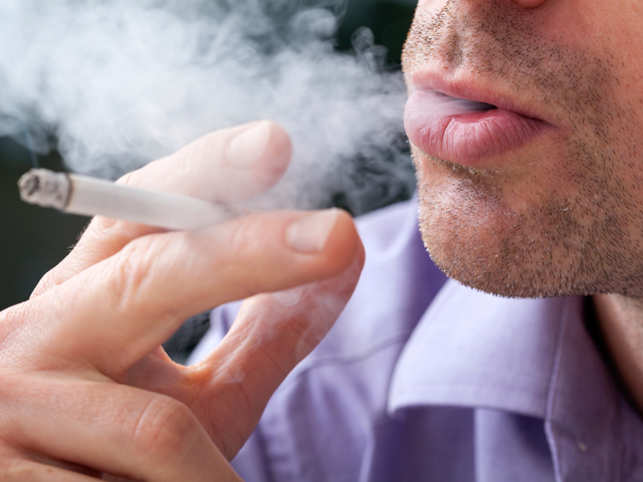
  • Some people smoke everyday
  • Some people (especially in developing countries) burn up their wastes themselves
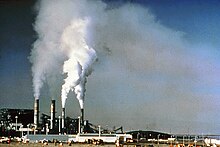
  • Industries like Refineries release toxic gases into the air every moment
  • In developing countries, people switch on their generators as alternate power source
  • Most cars today release toxic gases into the air

Something outstanding i find about air pollution is that when (not if) you point a finger to other people, four finger are pointing back at you. Let's take Nigeria as a case study. The citizens cannot accuse the government of air pollution through the refineries because they themselves burn their wastes by themselves whenever they feel like. If dirt isn't burn in this street today, check the next street and you'd surely see flames.

A few side effects of air pollution includes:
  • Lack of oxygen
  • Lungs-related diseases
  • Cancer
  • Increase in death rate
Dispersion of excess amounts of sulfur dioxide 

Bad air not fit for breathing
Image result for smoking
Smoking releases harmful gases into the air
Image result for port harcourt soot
Port Harcourt soot, Nigeria

Talking about the Biosphere, our animals are dying

  • Elephants are pregnant for almost two years but poachers kill them within a minute
  • More and more Rhinos are killed regularly for their horns
  • Fishes find water unfit so they become displaced and some die in the process
  • More lands are developed everyday and making the animals who take the place as their natural habitats to become displaced while some die as well
  • The sicknesses that affect us through various forms of pollution also affects the animals and kill them 
  • Using Nigeria as a case study, people don't value animals anymore and kill every animal that comes their way, burning them or eating them 
  • Generally, the Earth is becoming unfit for both man and animals 
Image result for last male white rhino
World's last male white Rhino is dead
Image result for dead elephant
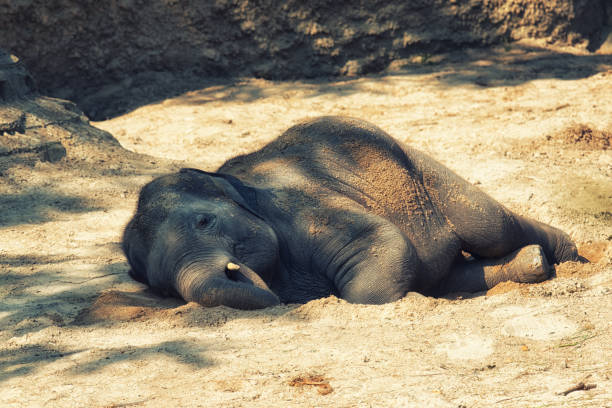
Dead elephant

Snake killed for food in Nigeria

What do we do to save the Earth?


  1. Let us be forever cautious of the actions we take
  2. Reduce the amount of time we spend on smoking
  3. Dispose dirt the right way
  4. Don't pee into rivers
  5. Repair cars to reduce the amount of smoke coming out from the exhaust
  6. Governments should make sure that industries don't release toxic waste into water bodies
  7. Alternate forms of fuels should be used instead of petrol, diesel and kerosene to reduce the rate of production
  8. More and more environmental awareness campaigns should be put in place
  9. Let us not kill animals just cause we're able to. We could trap them and send them elsewhere so they won't cause nuisance around us 
  10. Let us all come out and work on environmental sanitation days
  11. More and more ways. In summary, let's not kill animals for no reason, let's dispose our dirt the right way and reduce the amount of toxic/harmful gases we release into the air.

References:

  • https://theplanetd.com/india-is-filthy/
  • http://www.pulse.ng/news/local/flood-sacks-irepodun-street-residents-lagos-abeokuta-id7965122.html
  • https://nationaleczema.org/eczema/
  • https://en.wikipedia.org/wiki/Water_pollution
  • https://en.wikipedia.org/wiki/Air_pollution
  • https://economictimes.indiatimes.com/magazines/panache/smoking-regularly-ups-anxiety-and-can-make-you-easily-paranoid/articleshow/59821759.cms
  • https://naijavoxpop.com/roadmap-to-ending-the-menace-of-black-soot-in-port-harcourt/
  • https://www.telegraph.co.uk/news/2017/11/09/extinction-looks-like-photo-last-male-northern-white-rhino/
  • https://www.istockphoto.com/photos/dead-elephant
  • http://www.nairaland.com/4477230/snake-killed-butchered-generator-house